Collagen, explained: what it does and what it doesn't
If you have stared at a shelf of collagen powders wondering whether any of it actually does something, you are asking the right question. Here is the honest version, no hype.
Collagen is the stuff that keeps your skin springy and your joints cushioned. It is the most common protein in your body. The catch: from your mid-twenties your body slowly makes less of it, and that is part of why skin starts to feel drier and less bouncy over the years.
So people top it up from a sachet or a bottle. Reasonable idea. But here is the part the ads skip: the collagen you swallow does not travel straight up to your face. Your stomach breaks it down first, the same way it breaks down any protein. Nothing gets teleported to your cheeks.
Does it work, then? Honestly, the science is mixed. A lot of studies show skin looking a bit more hydrated and springy after taking it daily. But the strongest positive results tend to come from studies paid for by supplement companies, and some independent ones find no real difference. When people do notice a change, it usually shows up after about two to three months of taking it every day, not overnight, and it is a gentle improvement, not a face-lift.
Why Japanese brands go on about low-molecular collagen. This is the interesting bit. If the collagen is chopped into very small pieces (what the Japanese packs call 低分子, low-molecular peptides), your gut absorbs it more easily. The theory is that these tiny fragments act like a little nudge, signalling your own body to make more collagen. That is the whole reason the good Japanese ones make a point of being low-molecular. It is not marketing fluff, it is the part that actually matters.
One thing that quietly helps: your body cannot build collagen without vitamin C. That is why a lot of Japanese collagen tablets and powders slip vitamin C in alongside. Take it with a normal balanced diet and you are giving it what it needs to do its job.
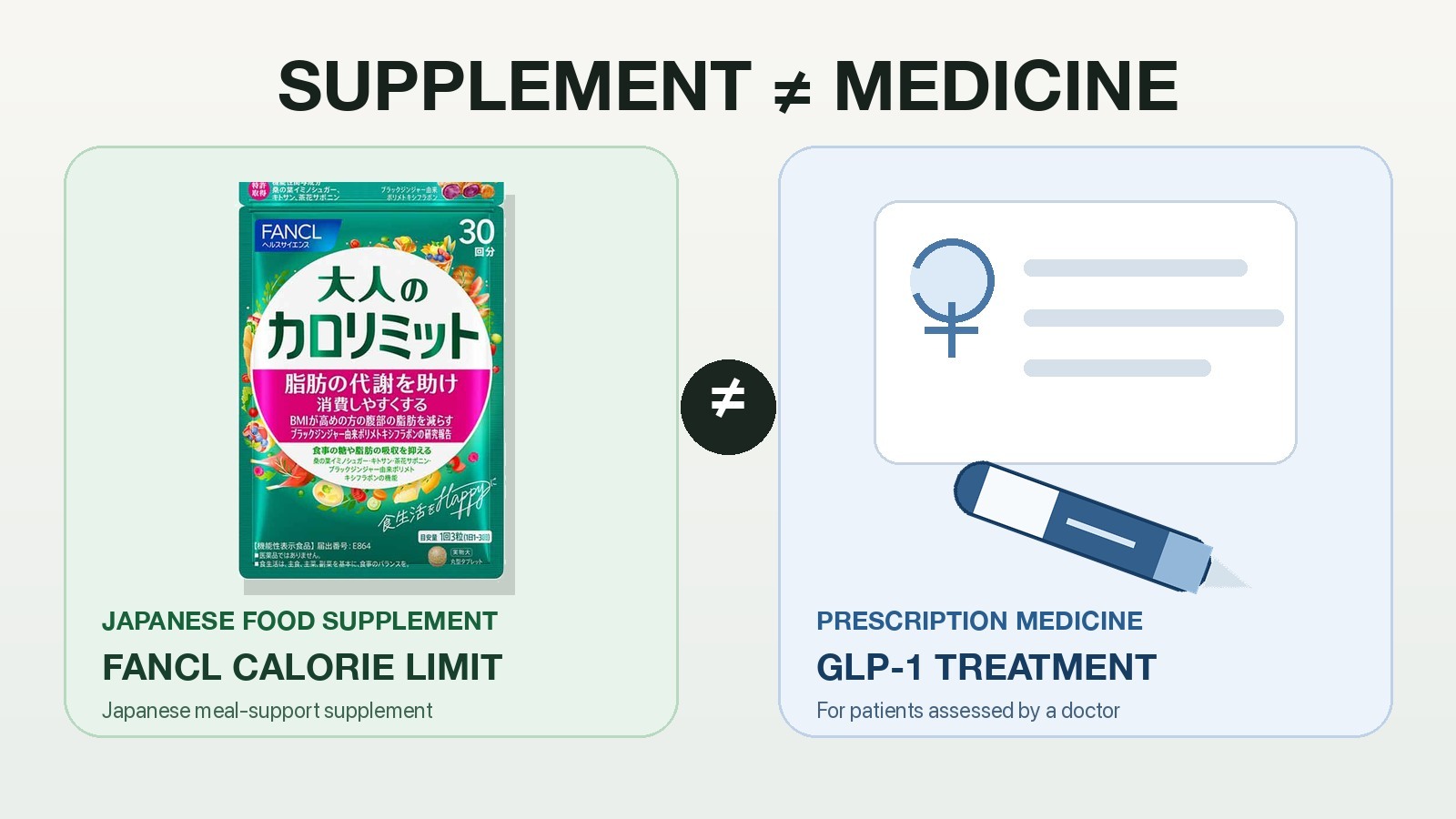
What collagen will not do. It will not erase wrinkles. It will not replace sunscreen, and honestly sun protection does far more for how your skin ages than any sachet. It will not keep working if you stop taking it. And it is a food supplement, not a medicine, so treat it that way.
If you want to try it, the realistic way is simple: take it daily, be patient for two to three months, and keep wearing sunscreen. Think of it as a small daily habit, like a morning tea, not a miracle.
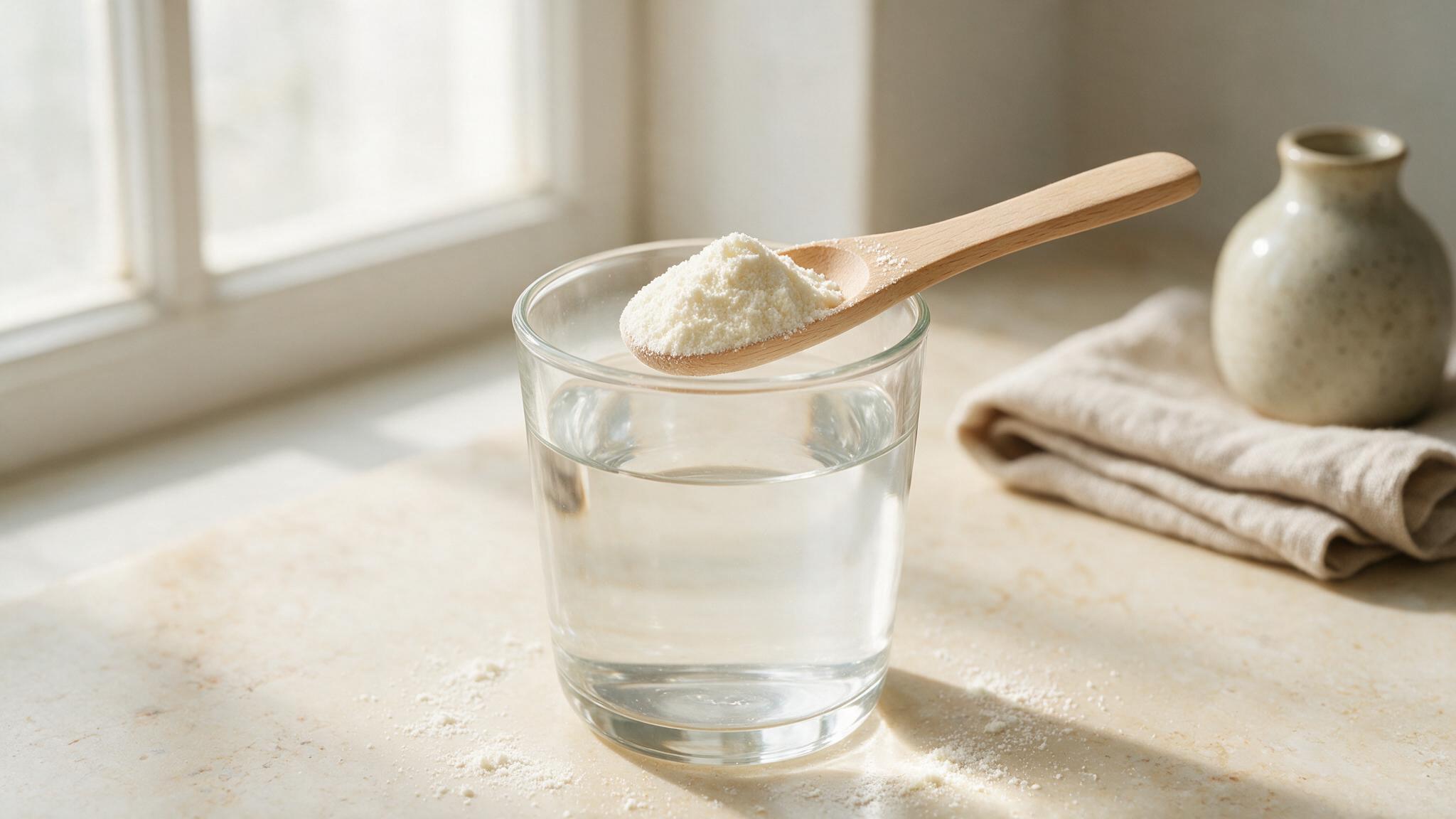
We bring in Japanese low-molecular collagen for exactly this reason: the Japanese ones are picky about the small-peptide part. We carry a marine version (made from fish, so skip it if you have a fish allergy) and a soft-shell turtle one that Japan has trusted for generations. Always follow the serving on the pack.
Collagen is not magic and it is not a scam. It is a small, gentle daily habit that may help a little if you stick with it. Now you know exactly what you are paying for.
Want this from Japan?
Tell us the item and we'll source it new in Japan and ship it to you.
Order on TG: @bazumartRead the wellness guide