Single-use or reusable? How to choose an intimate wellness product
The product page gives you dimensions, materials, and a name that sounds like a new phone. What it often does not tell you is which format will fit your life.
The useful question is surprisingly ordinary: do you want zero cleanup, or are you happy to wash, dry, and store something after every use?
That answer usually points you toward single-use or reusable before price, color, or features enter the conversation.
The quick answer
Choose single-use when you want something sealed, straightforward, and finished after one use. It suits a first purchase, occasional use, travel, or anyone who does not want a cleaning routine.
Choose reusable when you expect to use the product regularly and have a private place to clean, dry, and store it. You pay more at the start, then keep it for repeated use as long as you care for it properly.
Neither format is the grown-up choice. The right one is the one you can use as intended.
What single-use actually means
A single-use product is designed for one session and then disposal. Some arrive pre-lubricated, so there is little to prepare and nothing to wash afterward.
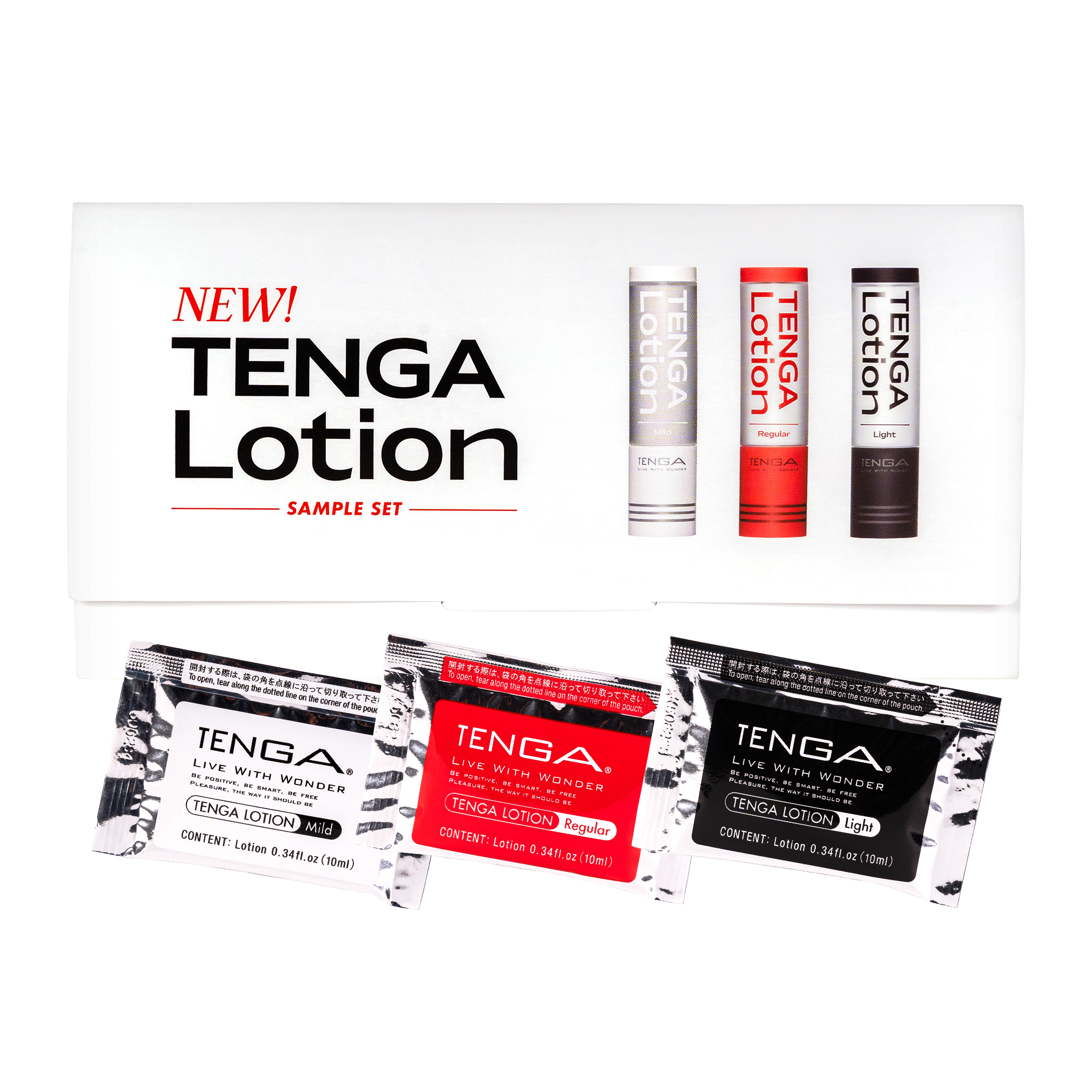
The important word is designed. Single-use is not a suggestion you can work around with a careful rinse. TENGA says its CUP line is built for one use, is not designed to be cleaned, and should be discarded afterward. The materials and internal structure are different from products made to open, wash, and dry.
That makes single-use a sensible starting point if you are curious but do not know what you will like yet. You can try a format without buying a product that needs space, upkeep, and a larger upfront spend.
It is also useful when privacy matters. A sealed item is easy to keep until needed, and there is no damp product sitting out to dry.
When reusable makes more sense
A reusable product earns its place through repetition. If you already know the sort of shape and feel you prefer, paying more for something designed to be washed and used again may make better sense over time.
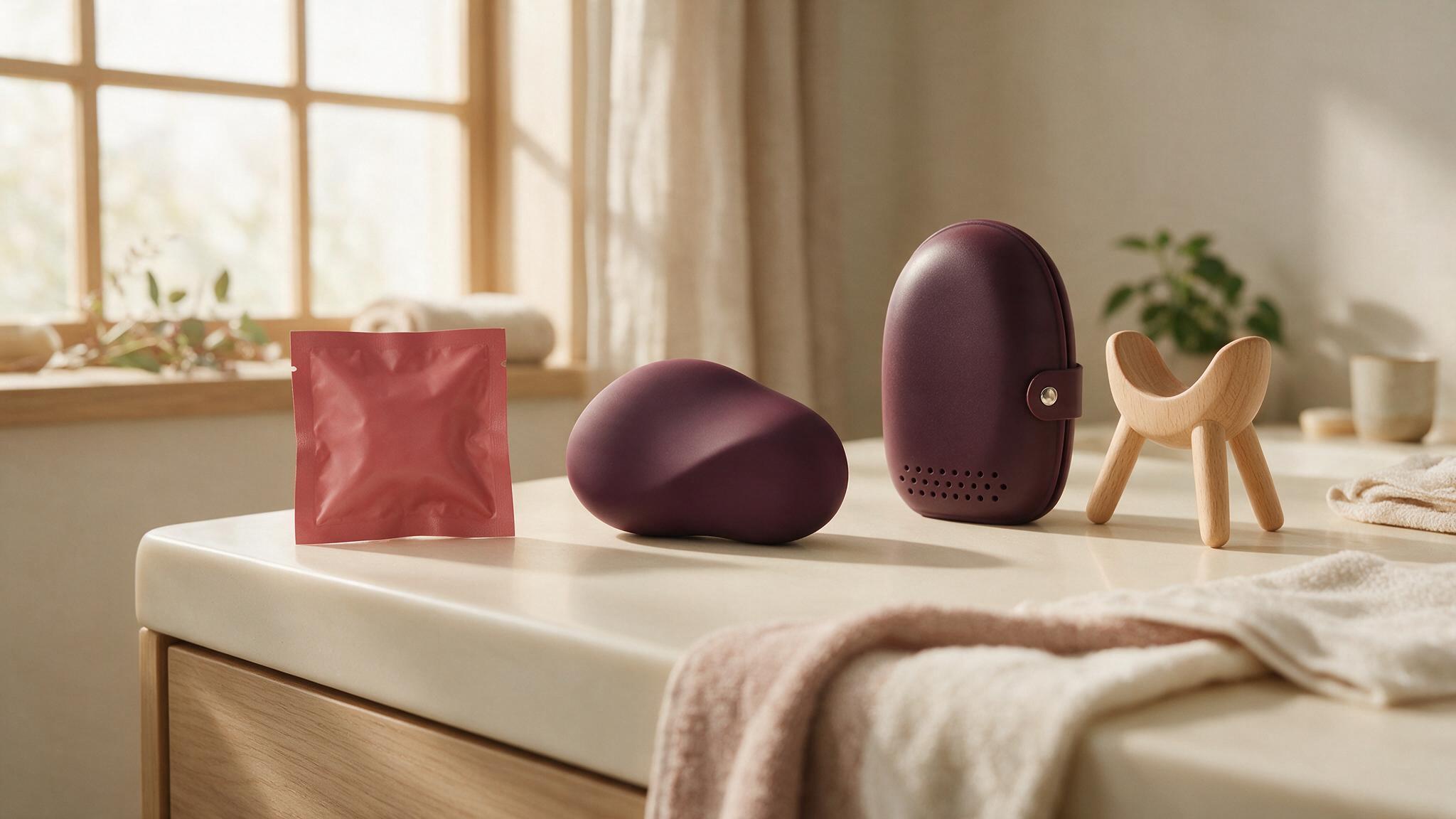
You also avoid throwing away a complete product after every use. There may still be packaging and replaceable parts, so reusable does not mean waste-free. It simply spreads one product across many uses.
The trade-off is care. A reusable product needs to be cleaned after use, dried completely, and stored somewhere cool, dry, and private. If you know that routine will become tomorrow's problem, the cheaper-looking reusable option can become an expensive drawer ornament.
Be honest with yourself here. If you can already hear tomorrow-you saying, "I'll wash it later," single-use is probably the better fit.
The part people underestimate: drying
Washing is quick. Drying is where real life gets involved.
Some reusable products need to air-dry on a stand or in an open position before they go back into a case. Putting one away while it is still damp can lead to unwanted buildup or damage. TENGA's own care guidance tells users to wash reusable products with cold or tepid water, use mild soap, allow them to dry completely, and store them away from direct sunlight.
Those instructions are for TENGA products, not every item in the category. Materials vary. Use the manual that comes with your product, especially for soap, lubricant, charging, and drying instructions.
A simple way to compare them
Single-use
- lower commitment for a first try
- little or no cleanup
- easy to pack and keep discreet
- new purchase and more packaging each time
Reusable
- higher upfront cost
- made for repeated use
- needs washing, complete drying, and storage
- better suited to someone who already knows their preferences
What should a beginner buy?
If this is your first purchase and the options feel needlessly complicated, start with the format that creates the least friction.
For many people, that is single-use. You learn whether you like the basic idea before committing to a reusable model. For someone already comfortable with a cleaning routine for personal-care items, a simple reusable product can be just as approachable.
Ignore the longest feature list. Look for clear instructions, a reputable seller, sealed packaging, and a design you can clean or dispose of exactly as directed.
A few safety rules worth keeping
- Do not reuse a product labeled single-use.
- Clean reusable products according to the maker's instructions and let them dry fully before storage.
- Check the product for tears, cracks, mold, or damage before use. Replace it if the maker's guidance says it is no longer safe to use.
- If a product is shared, the NHS advises washing it between each use and using a new condom on it each time.
- Use only the lubricant and cleaning products that are compatible with its material.
These are general hygiene basics, not a substitute for the manual. If a product causes pain, irritation, or an allergic reaction, stop using it and speak with a healthcare professional.
The honest answer
If you hate cleanup, choose single-use. If you hate throwing things away and do not mind the maintenance, choose reusable. That is most of the decision.
If you are still unsure, tell us what matters most: simple cleanup, discreet storage, a lower first spend, or something made to last. Message TG: @bazumart and we will point you toward the right format without making the conversation weird.
Sources: TENGA's single-use CUP guidance, TENGA's reusable care guide, and NHS sexual health guidance.
Want this from Japan?
Tell us the item and we'll source it new in Japan and ship it to you.
Order on TG: @bazumartRead the intimate wellness guide